How to choose a commuter cycle: a plain guide for daily riders
Choosing a commuter cycle? Match the type, fit, gears, tyres and fittings to your actual route with this plain guide for everyday riders.

A commuter cycle has one job: get you where you are going, every day, without fuss. That sounds simple, but it is exactly why so many people buy the wrong one. They shop for the ride they imagine, the weekend adventure, instead of the ride they actually repeat twice a day, five days a week.
This guide works from your route outward: the distance, the surface, the hills, and what you carry. Answer those honestly and the right type of cycle mostly chooses itself.
Start with your route, not the catalogue
Before comparing a single model, write down four things about your regular trip.
Distance each way. Under 5 km, almost any comfortable cycle works. From 5 to 15 km, efficiency starts to matter, and beyond that, riding position and gearing decide whether the commute stays a habit.
Surface. Smooth tarmac, broken city roads, or stretches of dirt and towpath each push toward different tyres and frames.
Climbing. A flat route forgives almost anything. A hilly one punishes poor gearing every single morning.
What you carry and where the cycle sleeps. A laptop bag, lunch and a change of clothes need a rack or a good backpack plan. A cycle that lives outdoors or climbs stairs has its own requirements for weight and security.
BikeRadar’s commuter buyer guide lands on the same principle: the best commuter bike is the one that is comfortable and practical for the specific riding you intend to do.
The main types, in plain terms
Hybrid and flat-bar cycles: the default answer
A hybrid is roughly a road-bike frame with a flat, mountain-bike-style handlebar. You sit fairly upright, which helps in traffic, and the tyres are wider than a road bike’s but narrower than a mountain bike’s. For short-to-medium commutes at an unhurried pace, buyer guides consistently call the hybrid the best all-round commuter choice, and for beginners it is usually the right starting point. Many hybrids come “equipped”, with mudguards, a rack and lights in the box, which is often the best value on the shelf. Our explainer on what a hybrid cycle is goes deeper into the type.
Road cycles: for speed over distance
Drop handlebars, light frames and narrow tyres make road cycles the fastest option for longer, smooth-surface commutes. The trade-offs are a bent-forward position some riders dislike in traffic, and less tolerance for broken roads. If your commute is over 15 km each way on decent tarmac and you want the ride itself to be exercise, a road cycle earns its place.
Gravel cycles: the flexible middle
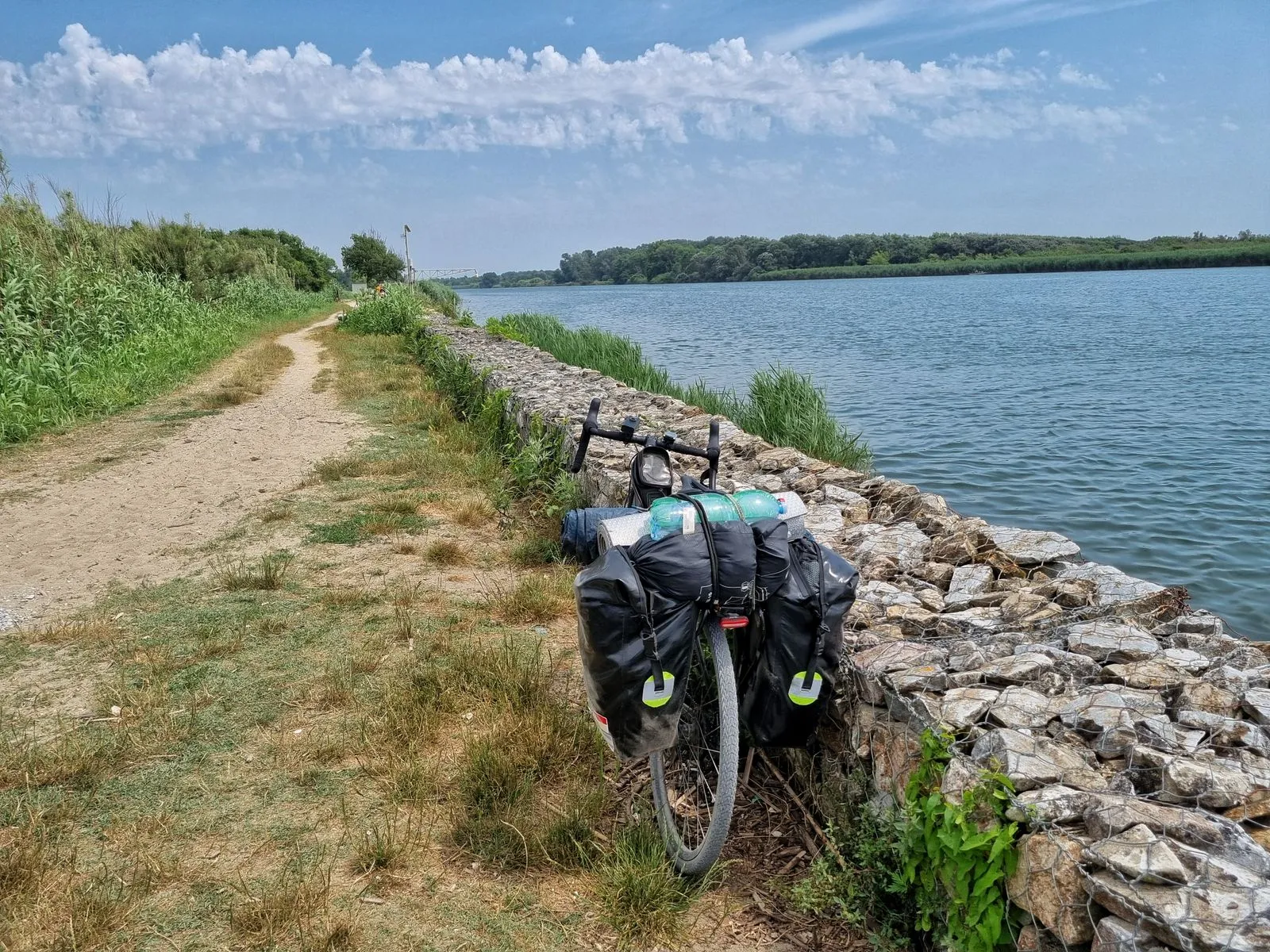
Gravel bikes look like road bikes but take wider tyres and a more relaxed position. They handle mixed surfaces well: tarmac most days, rough shortcuts whenever. For a commute that mixes city streets with park paths or poor roads, a gravel cycle covers more situations than almost anything else, at a price that usually sits above a comparable hybrid.
Mountain bikes: tough but slow on tarmac
A hardtail mountain bike is nearly indestructible and very comfortable upright, and wide knobbed tyres shrug off the worst surfaces. The cost is speed and effort: those tyres are slow and noisy on tarmac. Choose one only if your route is genuinely rough or your budget points at a sturdy used option, and consider smoother tyres for city use.
Folding cycles: the multi-mode specialist
If your commute combines cycling with a train, bus or a small flat with no storage, a folding cycle solves problems nothing else can. Small wheels make them less settled on long or rough stretches, so they suit shorter urban legs.
Fit beats features
The best-equipped cycle in the wrong size will make every ride worse. Frame size is about standover clearance and reach, and it varies by brand, so a medium in one make is not a medium in another. A quick test: standing over the frame, you want a few centimetres of clearance; seated with the saddle at pedalling height, your leg should keep a slight bend at the bottom of the stroke. Any decent shop will set this up in minutes. Buying online is fine, but check the brand’s size chart against your height and inseam, and prefer sellers with a real exchange policy.
Gears and brakes for your actual hills
For a flat city commute, a simple 7 to 9 speed setup is plenty, and single-speeds work for the flattest routes with the least maintenance. Hills change the maths: you want a genuinely low climbing gear, which usually means a wider-range cassette or a double or triple chainset. On brakes, disc brakes cost more and stop more consistently in rain; rim brakes are lighter and cheaper to maintain. For year-round commuting in wet weather, discs are worth the premium.
Tyres and the fittings that make it a commuter
Tyres decide comfort more than the frame does. Wider tyres at moderate pressure smooth out broken roads; a puncture-protected commuting tyre saves more time than it costs within a few monsoons. Then the fittings: full-length mudguards, a rear rack rated for your bag, and lights you do not have to remember to charge. A cycle with these fitted is transport. Without them, every wet road and grocery stop is a negotiation.
The questions daily riders actually ask
How much should a first commuter cycle cost? Enough to buy reliable brakes, wheels that stay true, and a frame in your size. Below that floor, savings turn into workshop visits. Above it, you are paying for lighter and nicer, not more reliable.
New or used? A well-kept used hybrid from a known brand is often the best value in commuting, because the design barely changes year to year. Check the chain, brake pads, wheel rims and gear shifting; those four tell you most of a cycle’s history.
What maintenance does a commuter need? A weekly two-minute check of tyre pressure and brakes, chain lubrication every couple of weeks or after rain, and a proper service once or twice a year. Daily riding is gentle on a cycle that is cleaned and lubricated, and hard on one that is ignored.
Do I need cycle-specific clothing? No. Ordinary clothes work for most commutes; that is half the point of an upright city cycle with mudguards. What helps is a visible layer in low light and gloves in cold weather, not a wardrobe.
What about security? Budget for a serious lock from day one, and use it on the frame and a wheel, locked to something immovable. The best commuter cycle is the one still parked where you left it.
Budget: where the money actually goes
Spend first on fit, frame quality and wheels, because they cannot be upgraded later. Gears, saddles, tyres and fittings all can be. A solid mid-range hybrid with good tyres and full fittings will out-commute a cheap “feature-rich” cycle within a season. And always test ride if you can: ten minutes on two or three candidates teaches you more than an evening of spec sheets.
The bottom line
Choosing a commuter cycle is matching, not maximising. Measure your route, pick the type built for it, get the size right, and fit it out for daily duty. Do that, and the cycle quietly becomes the most reliable part of your day.
Sources
- BikeRadar, What’s the best bike for commuting?: commuter types, hybrids as the all-round default, equipped packages.
- Cover photo: Pexels, free Pexels licence.